


Ecommerce marketing services cover every channel a store uses to attract visitors and turn them into buyers. They include SEO, paid ads, email, social media, content, and conversion optimization.
If you run a Shopify store, you have likely used at least one already. This guide explains what each service includes and how the pieces work together.
What Ecommerce Marketing Services Actually Include
Ecommerce marketing services are the ongoing tasks that bring traffic to your store and convert it into orders. Most providers bundle several channels into one plan, while others focus on a single channel such as SEO or paid ads.
A full service plan usually covers six areas. These are search engine optimization, paid advertising, email and SMS marketing, social media marketing, content marketing, and conversion rate optimization.
Each one plays a different role in your growth. Together, they cover the full journey from first click to repeat purchase.
Small stores often start with one or two services, while larger stores run all six at once. The right mix depends on your budget, margins, and where your customers spend time.
SEO Services for Ecommerce Stores
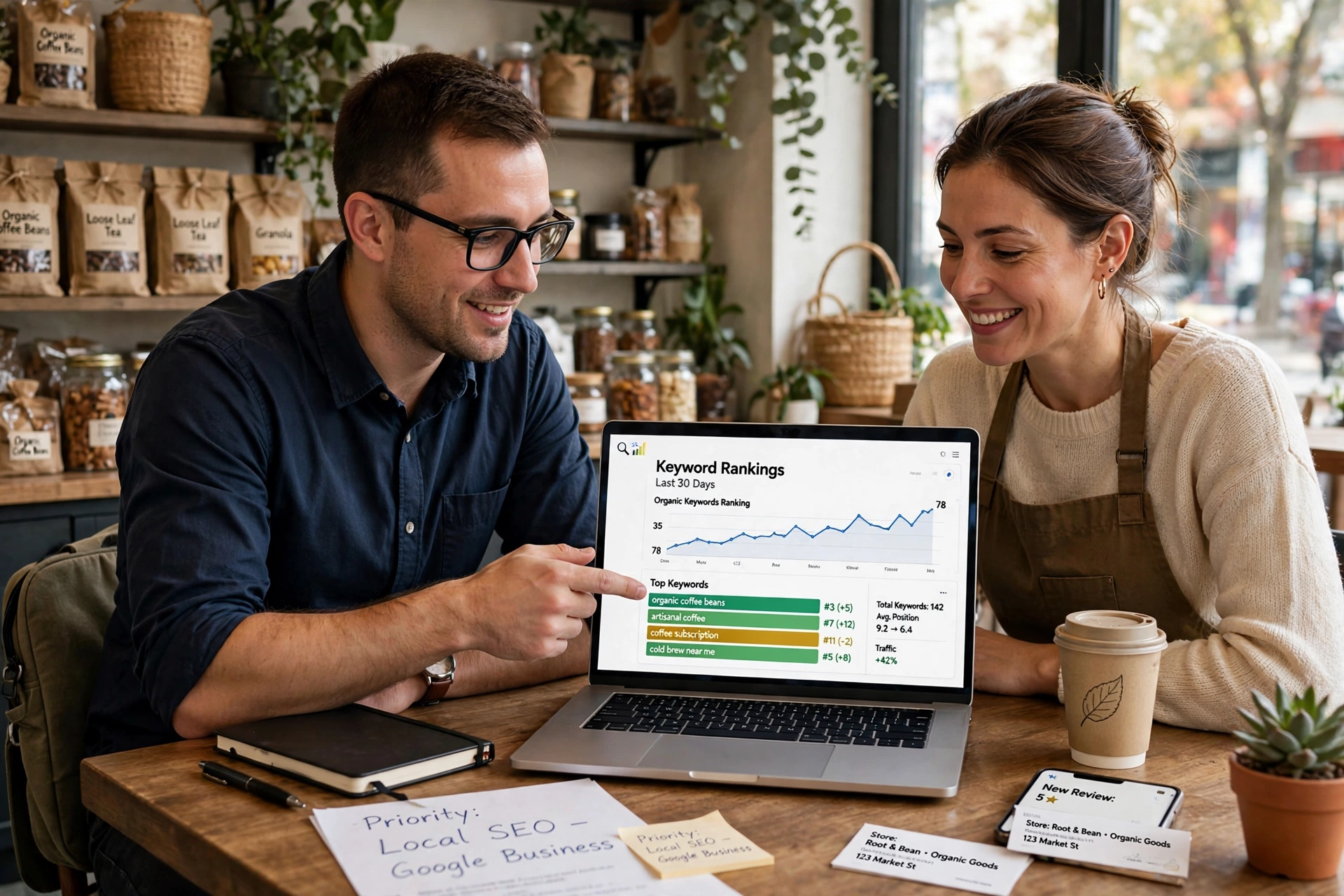
SEO services help your store show up in Google when shoppers search for products you sell. The work starts with keyword research for category, product, and collection pages, then moves to on-page fixes like titles, descriptions, headings, and internal links.
Technical SEO is part of the package too. Providers check site speed, mobile usability, crawl errors, and indexation. A slow or broken store will not rank well.
Content is the third pillar of ecommerce SEO. Providers publish buying guides, comparisons, and category content that targets informational searches. This attracts shoppers early, before they are ready to buy, and builds topical authority over time.
Link building may also be included. Good providers earn links through useful content and digital PR, not spammy schemes.
Paid Advertising Services (Meta, Google, TikTok)
Paid advertising services — including AI ads for ecommerce — put your products in front of shoppers fast. The most common platforms are Meta (Facebook and Instagram), Google, and TikTok. Each platform suits a different product and buyer.
Meta ads work well for visual products with broad appeal. Providers handle audience targeting, creative testing, and budget allocation, testing multiple images, videos, and hooks to find winning combinations. Retargeting is usually included, so past visitors see your products again.
Google Ads capture shoppers with clear buying intent. Search ads appear when someone types a product keyword. Shopping ads show your product photo, price, and rating directly in the results. Providers manage feeds, bids, and negative keywords.
TikTok ads suit products that benefit from short, entertaining demos. Providers plan creator-style videos and test angles quickly. TikTok traffic can be cheap, but it needs fresh creative regularly. Without new angles, performance fades fast.
A good paid ads service reports on revenue and return on ad spend. Impressions and clicks alone do not pay bills. Ask for reports that tie spend directly to orders.
Email Marketing and SMS Services
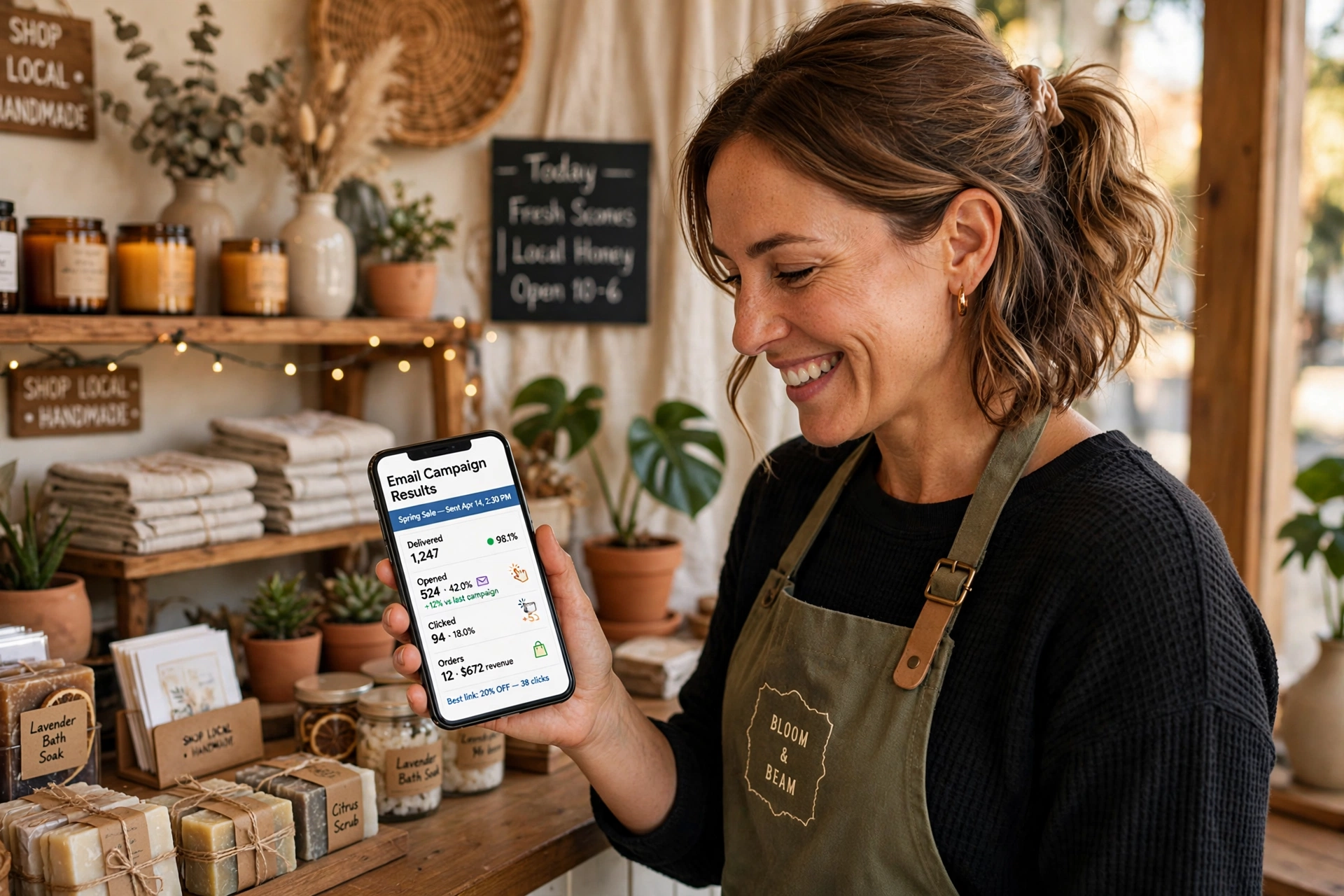
Email marketing services, often run by an ecommerce email marketing agency, turn one-time buyers into repeat customers. The core work is building automated flows and sending regular campaigns. Flows run in the background and make money while you sleep.
The most important flows are welcome, abandoned cart, post-purchase, and winback. Welcome flows introduce new subscribers, abandoned cart flows remind shoppers to finish checkout, and post-purchase flows ask for reviews and suggest related products.
Campaigns keep your list warm between purchases. These include new arrivals, sales, seasonal offers, and educational content. Most stores send two to four campaigns per week, since more can increase unsubscribes.
SMS marketing works alongside email for urgent messages. It suits flash sales, restock alerts, and shipping updates. Because texts feel personal, providers use them sparingly, and permission with easy opt-outs is essential.
List growth is part of the service too. Providers set up popups, signup forms, and lead magnets. A growing list is an asset you own, unlike ad audiences that vanish when you stop paying.
Social Media Marketing Services
Social media marketing services build your brand presence on platforms like Instagram, TikTok, Facebook, and Pinterest. The work includes content planning, posting, and community management. Some providers also manage influencer partnerships.
Content planning starts with your product catalog and audience. Providers build a monthly calendar of posts, reels, and stories. Product demos, reviews, and behind-the-scenes clips perform well for most stores.
Posting alone is not enough. Providers also reply to comments and messages to keep your audience engaged. Fast replies build trust and often save sales.
Influencer and creator outreach may be included in bigger plans. Providers find creators in your niche and manage collaborations. Small creators often deliver better value than celebrities, with smaller but more targeted audiences.
Organic social media rarely drives instant sales. Its real value is brand recall and trust. Shoppers who have seen your brand before are likelier to click your ads and buy.
Content Marketing Services
Content marketing services create helpful articles, videos, and guides that attract your target buyers. For ecommerce, the goal is simple: answer the questions shoppers ask before they buy. This builds trust and brings in search traffic.
Typical deliverables include blog posts, buying guides, and product comparisons. A skincare store might publish routine guides for different skin types, while a furniture store publishes size and care guides. Each piece targets a real search query.
Product photography and video are often part of content services. Clear photos and short demos reduce hesitation and returns.
Keeping your product photos, videos, and brand files organized matters as you scale, which is why many stores use digital asset management software for ecommerce to keep every asset in one place.
Content also feeds your other channels. A good guide can become an email, several social posts, and an ad angle. Planning content this way gets more value from every piece.
Conversion Rate Optimization (CRO) Services
CRO services improve the percentage of visitors who actually buy. Published benchmarks put the average ecommerce conversion rate roughly between 1.4% and 3%, with the average Shopify store near 1.4%. Small improvements here lift revenue without more traffic spend.
The work starts with a funnel audit. Providers look at your homepage, product pages, cart, and checkout to find where visitors drop off and why — often slow pages, unclear offers, or weak trust signals.
Then they run A/B tests on the biggest leaks. Tests might compare headlines, product photo layouts, or checkout button copy. One change is tested at a time so results stay clear, and winners become permanent.
CRO also covers trust and clarity. Reviews, guarantees, shipping details, and return policies all reduce hesitation.
Fast, reliable delivery matters too — shoppers remember bad shipping, so your order fulfillment software choice directly affects repeat purchases and reviews.
CRO is ongoing, not a one-time fix. Stores that test every month compound small wins into real growth over a year.

How These Services Work Together
No single service grows a store on its own. The real power comes from how the channels support each other. A smart plan treats them as one system, not six separate jobs.
SEO and content bring in steady, low-cost traffic over time. Paid ads deliver fast traffic while SEO builds.
Email and SMS capture the value from both by converting visitors and winning back past buyers. Social media keeps your brand visible between purchases, and CRO makes every channel more profitable by raising the share of visitors who buy.
Here is a simple example of the system in action. A shopper reads your buying guide from Google. They leave without buying, then see your retargeting ad on Instagram.
They click, join your email list through a popup, and get a welcome flow. A week later, they buy through an email offer — one sale, four channels working together.
Ask for reports that show blended revenue, not just channel-by-channel numbers. A channel that looks weak alone may start most of your sales.
What Ecommerce Marketing Services Typically Cost
Costs vary by scope, store size, and provider. Most ecommerce stores pay $3,000 to $10,000 a month for a focused agency retainer, according to Stryde’s 2026 pricing guide.
If you decide to outsource rather than hire in-house, see how to choose an ecommerce marketing agency for vetting questions, pricing models, and red flags to avoid.
Larger brands running SEO, paid ads, and email together often pay $15,000 to $50,000 or more. You can compare these figures in this ecommerce agency pricing breakdown.
Single-channel work usually costs less than a full retainer. SEO retainers commonly start around $2,500 a month. Paid ads management often runs $1,000 to $5,000 flat, or 10% to 30% of ad spend.
Email and SMS services often cost $1,500 to $5,000 a month, or $100 to $2,000 per campaign. Social media management often falls between $1,000 and $7,000 a month. Content marketing often runs $2,000 to $10,000 or more per month.
Ad spend is separate from management fees: a $3,000 monthly fee does not include the money you pay Meta or Google for clicks. Always confirm what is included before you sign.
Ecommerce Marketing Services at a Glance
| Service | What It Typically Includes | Best For | Typical Timeline to Results |
|---|---|---|---|
| SEO | Keyword research, on-page fixes, technical SEO, content, links | Long-term, compounding traffic | 3–6 months |
| Paid Ads (Meta, Google, TikTok) | Targeting, creative testing, budget management, retargeting | Fast traffic and sales | Days to weeks |
| Email & SMS | Automated flows, campaigns, list growth, segmentation | Repeat purchases and retention | 2–6 weeks |
| Social Media | Content calendar, posting, community management, creators | Brand trust and recall | 1–3 months |
| Content Marketing | Blog posts, guides, comparisons, product visuals | Search traffic and buyer education | 2–6 months |
| CRO | Funnel audits, A/B tests, trust and checkout fixes | More revenue from existing traffic | 2–8 weeks |
Frequently Asked Questions
What is included in ecommerce marketing services?
Ecommerce marketing services usually include SEO, paid ads, email and SMS, social media, content marketing, and conversion optimization, and providers may offer all six or focus on one channel. The right mix depends on your store size, budget, and goals.
How much do ecommerce marketing services cost?
Most stores pay $3,000 to $10,000 a month for a focused retainer, while larger brands pay $15,000 to $50,000 or more. Single-channel work costs less, ad spend is billed separately, and you should confirm the full scope before signing.
How long do ecommerce marketing services take to show results?
Paid ads can produce sales within days, while SEO and content usually take three to six months. Email flows and CRO tests often show results in two to eight weeks, so a realistic plan mixes fast channels with slow, compounding ones.
Can I handle ecommerce marketing services myself?
Yes, many store owners start by managing one or two channels themselves. As your store grows, the workload usually justifies hiring help, so start with the channel closest to revenue and add others as budget allows.
Conclusion
Ecommerce marketing services cover the full path from first click to repeat order. SEO and content build steady traffic, paid ads deliver fast sales, and email and SMS drive repeat purchases. Social media builds trust, and CRO makes every visitor more valuable.
You do not need all six services on day one — start with the channels that match your budget and customers. Measure revenue, not vanity metrics, and expand what works — that is how steady, profitable growth happens.

Muhammad Talha breaks down complex AI tools into simple, step-by-step guides for e-commerce entrepreneurs. His goal: to help you work smarter, not harder, by leveraging artificial intelligence
3 thoughts on “Ecommerce Marketing Services: What They Include (2026)”