


This trending products for b2b ecommerce from china market analysis looks at which product categories sourced from China are showing real B2B demand signals, and how to separate a lasting trend from a short spike.
China remains the world’s largest manufacturing base for ecommerce sellers. Its factories can prototype fast, run small batches, and scale production quickly. That speed is why so many B2B sellers source there first.
This guide covers the trending categories, the sourcing channels, and the checks to run before you place an order.
Trending Products for B2B Ecommerce From China Market Analysis: What the Data Shows
China’s cross-border ecommerce trade reached about 2.75 trillion yuan in 2025, a sharp rise from 2020 levels. That volume shows how deeply global sellers now depend on Chinese supply chains.
Two shifts shape the market today. First, small-parcel duty-free shipping to the United States is over. The $800 de minimis exemption ended for China-origin goods in May 2025 and for all origins in August 2025. Every commercial shipment now needs a customs entry and pays applicable duties.
Second, buyers have moved toward value and quality. Sellers report stronger demand for useful, well-made products at fair prices, rather than novelty items with thin margins. Categories that support daily routines, health, and home life are holding up best.
The pattern for B2B sellers is clear. Bulk and private-label sourcing now beats parcel-by-parcel dropshipping for most serious businesses. Lower per-unit costs, control over branding, and predictable stock matter more than ever.
Beauty and Personal Care: Private Label Leads
Private-label beauty and skincare products are among the strongest B2B categories on platforms like Alibaba. Sheet masks, serums, and creams show high order volumes, with many listings offering OEM and ODM customization.
The demand signal is repeat purchasing: skincare is consumable, so customers come back.
Minimum order quantities are often manageable. Many beauty suppliers accept orders starting around 100 to 500 units for private-label runs. That range lets smaller sellers test a product without committing to a full container.
Quality control matters more here than in most categories. Ingredients, labeling, and safety rules vary by market. Ask for ingredient lists, certificates, and sample batches before committing. Keep marketing claims modest and accurate.
Smart Home Devices and Electronics Accessories
Smart home products keep growing as households add connected devices. WiFi-enabled plugs, security cameras, video doorbells, smart LED strips, and motion sensors are steady sellers. China leads in IoT manufacturing, and many factories offer private labeling.
Electronics accessories are another durable category. Wireless earbuds, chargers, cases, and cables sell in high volumes because devices keep changing. Accessory demand follows each new phone launch.
Certification is the main hurdle. Products sold in the US or EU must meet safety and emissions standards such as FCC and CE marks. Ask suppliers for test reports and confirm the certification covers your exact model, not a similar one.
Solar-Powered Outdoor and Home Products
Solar products are trending as buyers look for energy-saving options. Solar garden lights, wall lamps, security floodlights, and portable chargers are popular imports. Rising electricity costs in many regions support this demand.
China produces solar products at scale, which keeps unit costs competitive. For B2B sellers, the category works well because products are easy to explain and demonstrate. A short video showing a solar light charging and glowing at night sells the product better than a long description.
Check battery and panel quality: request specs for capacity, wattage, and waterproof ratings, and test samples before ordering in bulk.
Seasonality matters here. Outdoor solar products sell best in spring and summer in most markets. Plan inventory so stock arrives before the peak season, not during it.
Fitness and Home Gym Equipment
Compact fitness equipment continues to perform well. Resistance bands, adjustable dumbbells, yoga mats, foam rollers, and foldable benches fit small living spaces. Home workouts stayed popular after the pandemic, and buyers keep adding to their setups.
The trend now favors space-saving designs with tracking features. Products that fold, stack, or pair with an app stand out from plain commodity gear. Bundling works well too. A kit with bands, a mat, and a guide has a higher average order value than a single item.
Weight drives freight cost in this category. Heavy items like dumbbells are best shipped by sea in bulk.
Home and Kitchen Gadgets and Small Tools
Home and kitchen gadgets benefit from viral discovery. Short videos showing a clever organizer, a faster kitchen tool, or a space-saving gadget can create sudden demand. Air fryers, organizers, and multi-use tools have all ridden this pattern.
Small tools and hardware offer steadier, less flashy demand. Hand tools, fasteners, brackets, and installation kits sell year-round to DIY buyers and maintenance businesses. Unit costs often sit in the $5 to $30 range, with margins around 30% to 50% depending on material quality and weight.
The risk with gadget trends is speed. A viral product can saturate in weeks as many sellers rush in.
Where to Source: Alibaba, Made-in-China, 1688, and Trade Shows
Most B2B sellers start on Alibaba. It lists verified suppliers across nearly every category, supports trade assurance on many orders, and makes it easy to compare quotes. Use filters for verified suppliers, transaction history, and response rate.
Made-in-China is a second major platform with a similar model. Comparing the same product across both platforms often reveals price and MOQ differences. Never accept the first quote as final.
1688 is Alibaba’s domestic China marketplace. Prices are often lower, but listings are in Chinese and most sellers do not ship internationally. Many buyers use a sourcing agent or freight partner to order through 1688. That adds a fee but can still save money on larger orders.
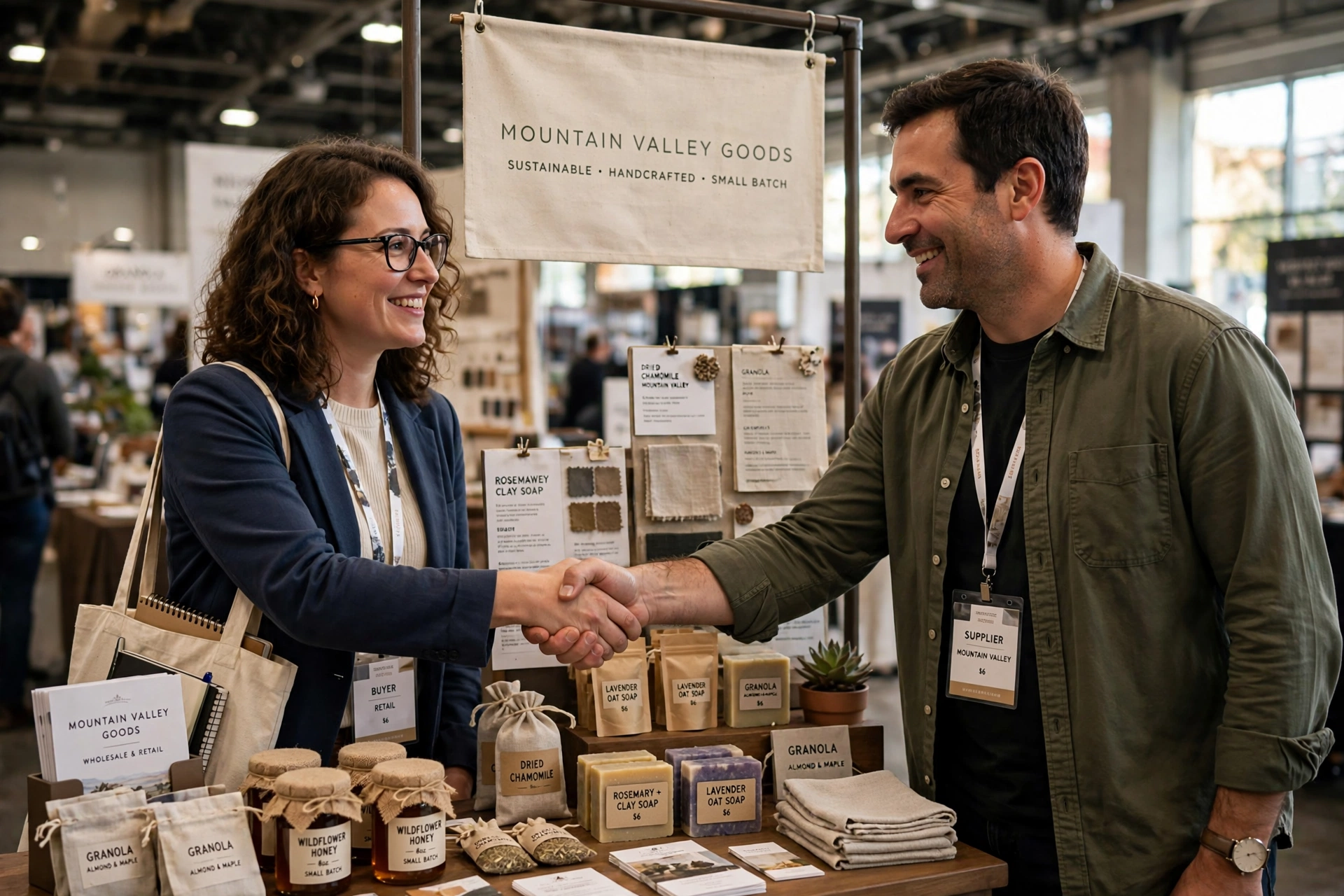
Trade shows like Canton Fair let you inspect products and meet factory owners face to face. If a trip is not possible, many suppliers offer live video factory tours.
How to Evaluate a Trend Before You Order
A trending product is only worth buying if the demand is real and durable. Run these checks before committing money.
Check multiple demand signals. Look at search interest, marketplace bestseller ranks, and social media mentions together. One signal can mislead. Three signals pointing the same way is much stronger.
Read buyer reviews on B2B platforms. Reviews on supplier listings reveal quality problems, shipping delays, and communication gaps. Patterns in negative reviews matter more than any single complaint.
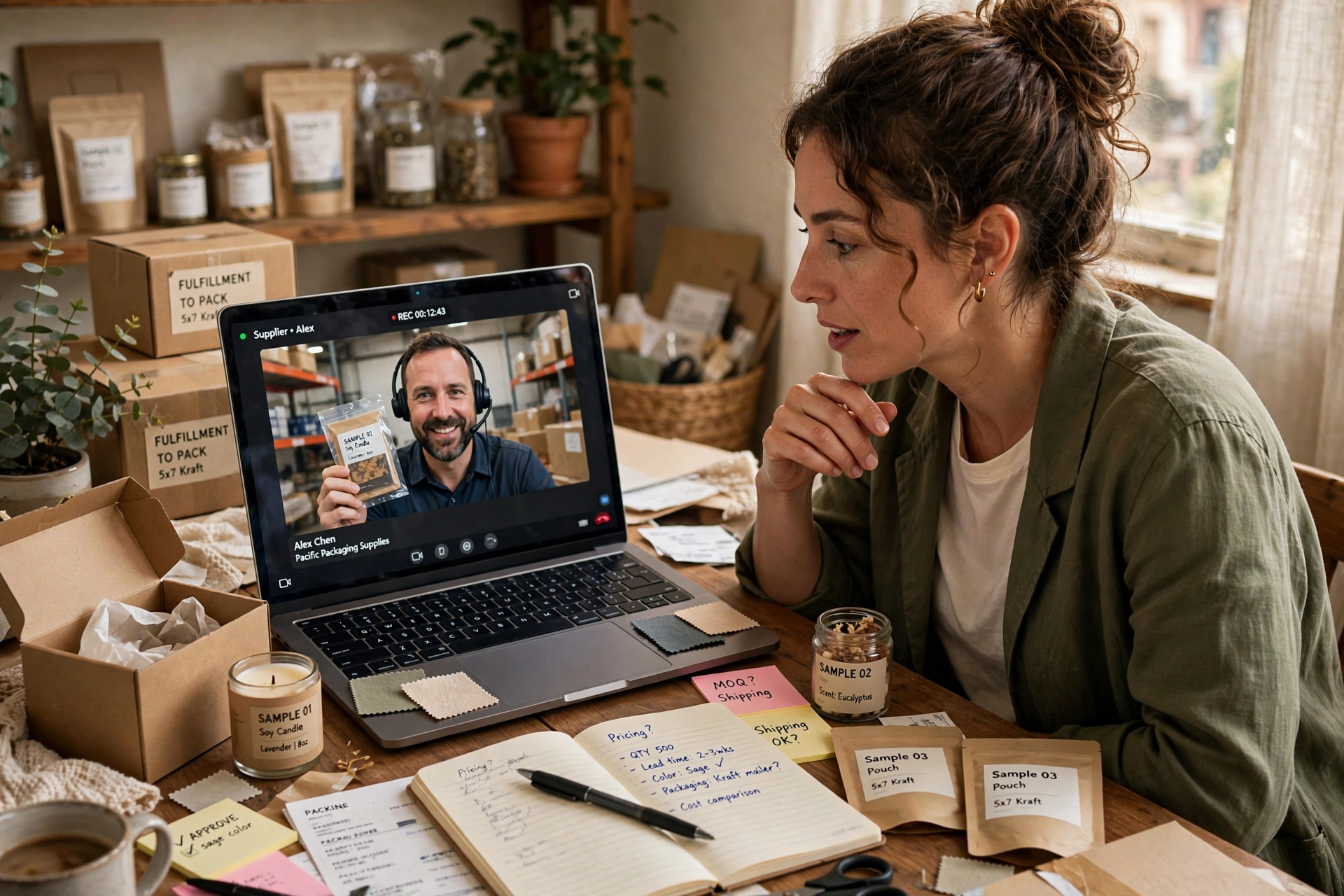
Order samples first. Samples reveal material quality, packaging, and finish. Test them yourself and, if possible, have a target customer try them. Never skip samples to save a few days.
Calculate landed cost, not factory price. Add freight, duties, insurance, inspection, and warehousing to the unit price. A cheap factory price can become an expensive product after logistics. If margins disappear after landed cost, walk away.
Confirm supplier reliability. Ask how long the factory has operated, its monthly capacity, and whether it has exported to your market before.
Well-organized product photos and listings help you evaluate and sell faster. A clear system for storing and reusing product images and ad files keeps your catalog consistent. Our guide to digital asset management software for ecommerce covers how to set that up.
Costs That Decide Your Margin: MOQs, Lead Times, Tariffs, and Logistics
Minimum order quantities vary widely by category. Packaging and simple goods may require thousands of units, while private-label beauty or tools may start at a few hundred. Always ask whether the MOQ is per design, per color, or per order.
Lead times vary: standard products may ship in one to two weeks, while custom orders can take four to eight weeks including production and inspection.
Tariffs and import rules deserve early attention. With the US de minimis exemption gone, every China-origin shipment owes applicable duties regardless of value. Rates vary by product classification, and rules keep changing, so confirm current treatment with a licensed customs broker before you ship. For background on the rule change, see this de minimis exemption guide.
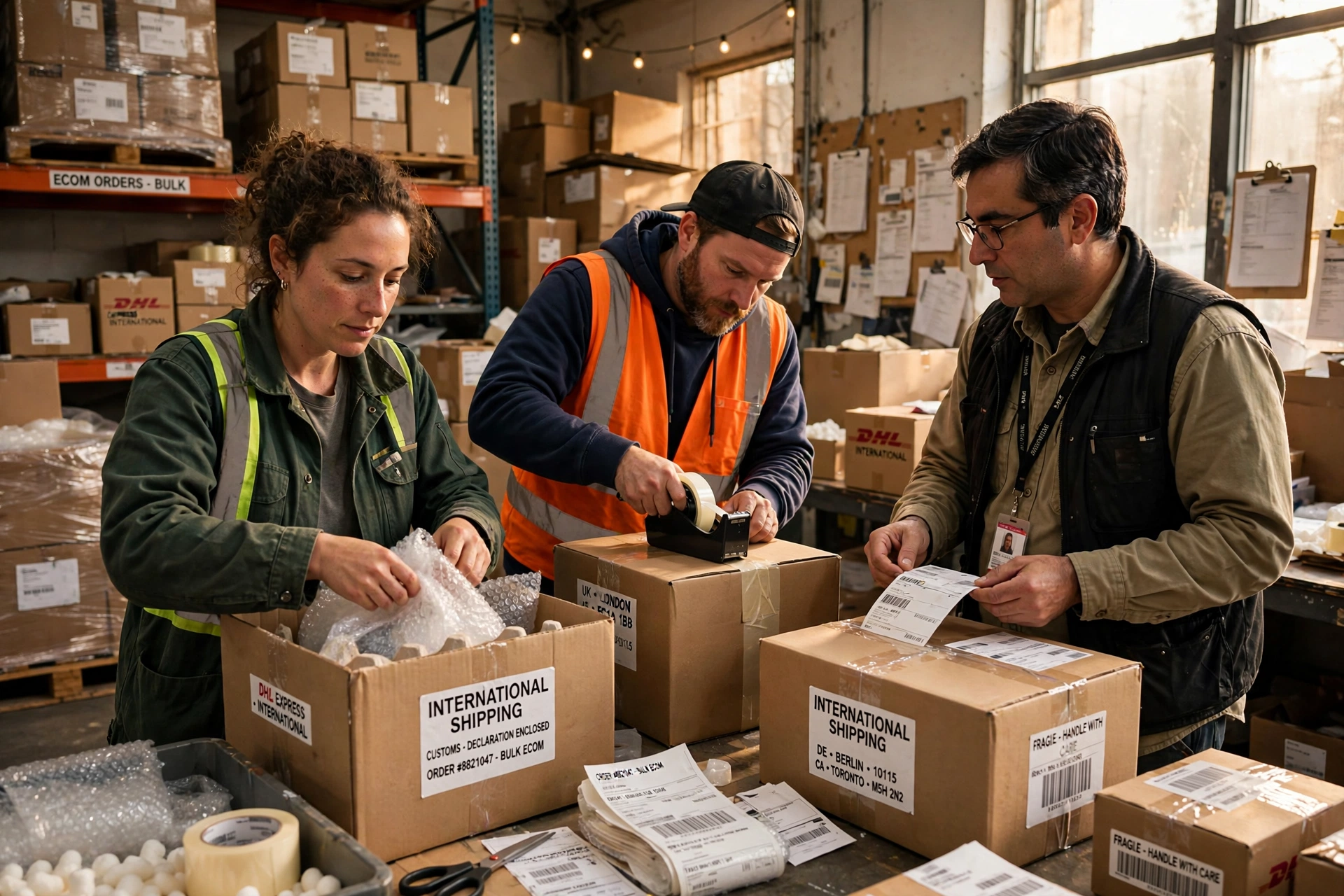
Logistics choices affect both cost and speed. Sea freight is cheapest for heavy or bulky orders but takes weeks. Air freight is faster but far more expensive per kilogram. Many sellers split orders: a small air shipment to launch, then sea freight for restocking.
Scaling sales only works if fulfillment keeps up. Our guide to order fulfillment software explains how to prepare your operations for a growth push.
Trending Categories at a Glance
| Category | Demand signals | Typical MOQ | Key considerations |
|---|---|---|---|
| Beauty and personal care | Repeat purchases, private-label volume | 100–500 units | Ingredients, labeling, safety rules |
| Smart home and electronics accessories | Device upgrades, connected homes | 200–1,000 units | FCC/CE certification, differentiation |
| Solar-powered outdoor products | Energy saving, seasonal demand | 200–1,000 units | Battery and panel quality, seasonality |
| Fitness and home gym equipment | Home workouts, compact designs | 100–500 units | Freight weight, bundling, honest claims |
| Home and kitchen gadgets | Viral videos, daily use | 500–2,000 units | Trend speed, saturation risk |
| Small tools and hardware | Steady DIY and B2B demand | 500–5,000 units | Material consistency, sturdy packaging |
Treat this table as a starting point. Always confirm figures with your own quotes and samples.
Frequently Asked Questions
What are the most trending B2B products from China right now?
Beauty and personal care private-label products, smart home devices, solar-powered outdoor products, compact fitness equipment, and home gadgets are showing the strongest B2B demand signals. Each category has repeat buyers or daily-use appeal that supports lasting sales.
What is the minimum order quantity for sourcing from China?
It depends on the category: private-label beauty and fitness products often start around 100 to 500 units, while packaging and simple goods can require thousands. Always confirm whether the MOQ applies per design, per color, or per order.
Do I need to pay import duties on small orders from China?
Yes — the US $800 de minimis exemption ended for China-origin goods in May 2025, so every commercial shipment now owes applicable duties. Rates vary by product classification, so confirm current treatment with a licensed customs broker.
How do I avoid scams when sourcing from China?
Use verified suppliers, order samples, pay through platform-protected methods, and confirm certifications in writing. A supplier that avoids samples, demands unusual payment methods, or cannot show export history is a warning sign.
Final Verdict: Follow Demand Signals, Not Hype
The strongest opportunities in this market analysis share three traits. They serve daily needs, they allow real branding, and they survive after the first wave of attention fades. Beauty, smart home, solar, fitness, and home products all fit that pattern in different ways.
Start with one category and one reliable supplier. Order samples, calculate true landed cost, and test with a small batch. If the numbers hold, scale steadily instead of betting everything on a single trend.
China’s supply chain rewards careful buyers who verify quality, respect import rules, and build real brands.

Muhammad Talha breaks down complex AI tools into simple, step-by-step guides for e-commerce entrepreneurs. His goal: to help you work smarter, not harder, by leveraging artificial intelligence