

If you want your e-commerce copy to sound good and match your brand, ai prompt templates can help you. You get faster results and better product descriptions. Many businesses finish work up to 60% quicker, and editing is easier. With templates, you can organize your writing, improve SEO, and help shoppers find important details. Shoppers trust products with lots of info, so clear prompts help you reach your audience.
- Production time drops by 40-60%
- Content output goes up by 78%
- Editing cycles are cut in half
- 87% of shoppers want detailed content
Key Takeaways
- AI prompt templates help you write faster for e-commerce. Many businesses say they save a lot of time, about half.
- Say what you want and who you are writing for. This helps AI make product descriptions that shoppers like.
- Make rules in your templates. Add word limits and style rules to keep your brand the same.
- Keep checking and changing your templates. Try them with new products to keep your writing good.
- Make your writing sound like your brand. This helps people trust you and feel close to your brand.
Key Elements of AI Prompt Templates
Task and Audience
When you start building ai prompt templates, you need to know what you want the AI to do and who you want to reach. If you define the task and audience, you help the AI focus on the right information. This makes your product descriptions more relevant and saves you time. You get faster results and spend less time editing. Here are some things you should include:
- Point of view
- Brand voice
- Target audience
- Industry-specific context
- Content goals
- Format specifications
Tip: If you tell the AI exactly who your shoppers are and what you want to say, you get copy that fits your brand and speaks to your customers.
Tone and Format
You want your copy to sound like your brand. The tone and format help you do that. If you set these clearly in your ai prompt templates, you get writing that matches your style and looks good on your site. You can use a table to plan your tone for different products:
| Tone | Product Type | Target Audience | Key Feature |
|---|---|---|---|
| Friendly | Smartwatch | Fitness Enthusiasts | Heart-rate tracking |
You should also:
- Outline the task
- Describe the output format
- Specify the tone and style
- Add context
Context framing is important. It gives the AI background, rules, and audience details. This helps the AI pick the right words and focus on your goals.
Constraints
You need to set limits so your copy stays on brand and follows your rules. Constraints in ai prompt templates keep your writing clear and consistent. You can add word counts, style guidelines, or even sample outputs. Here are some ways to set constraints:
- Include context, tone, output format, and examples
- Be specific: add tone, length, format, keywords, and audience
- Give brand info, product details, or example inputs
- Focus on goals: tell the AI what you want
- Use examples: show sample outputs
- Add word counts, character limits, style rules
- Refine your prompts often for better results
If you use these elements, you make sure your copy fits your brand and connects with your shoppers. Many industries see big benefits from customized templates, like higher conversions and better engagement. Most shoppers prefer personalized experiences, and clear templates help you deliver that.
Build AI Prompt Templates
Creating ai prompt templates for your e-commerce copy can feel tricky at first. You want templates that work every time and help you get the results you need. Let’s break down the steps so you can build templates that are easy to use and update.

AI for Ecommerce: The Complete Guide to Systemizing Your Content Engine
Master AI for ecommerce and build a scalable content engine. This guide provides a proven framework to automate product descriptions and marketing copy.
Assign Roles
When you set up your template, you should tell the AI what role to play. This helps the AI write in a way that matches your brand and speaks to your shoppers. For example, you might ask the AI to act as a product expert, a friendly salesperson, or a tech reviewer. Giving the AI a clear role makes your copy sound more natural and helps shoppers trust your products.
- You can use role prompts to make the AI act like a specific person.
- This makes your copy more relevant and clear.
- Shoppers feel like the content is made just for them.
- You get better engagement and more sales.
Tip: Try different roles for different products. A smartwatch might need a fitness coach voice, while a luxury bag could use a fashion expert.
Layer Instructions
You want your ai prompt templates to guide the AI step by step. Start with a clear outline. Add instructions for each part of your product description. Use simple language and break big tasks into smaller ones. This helps the AI stay on track and keeps your copy consistent.
Here’s a sample structure you can use:
1. Start with a catchy headline.
2. Describe the main features.
3. Explain how the product helps the shopper.
4. Add a call to action.
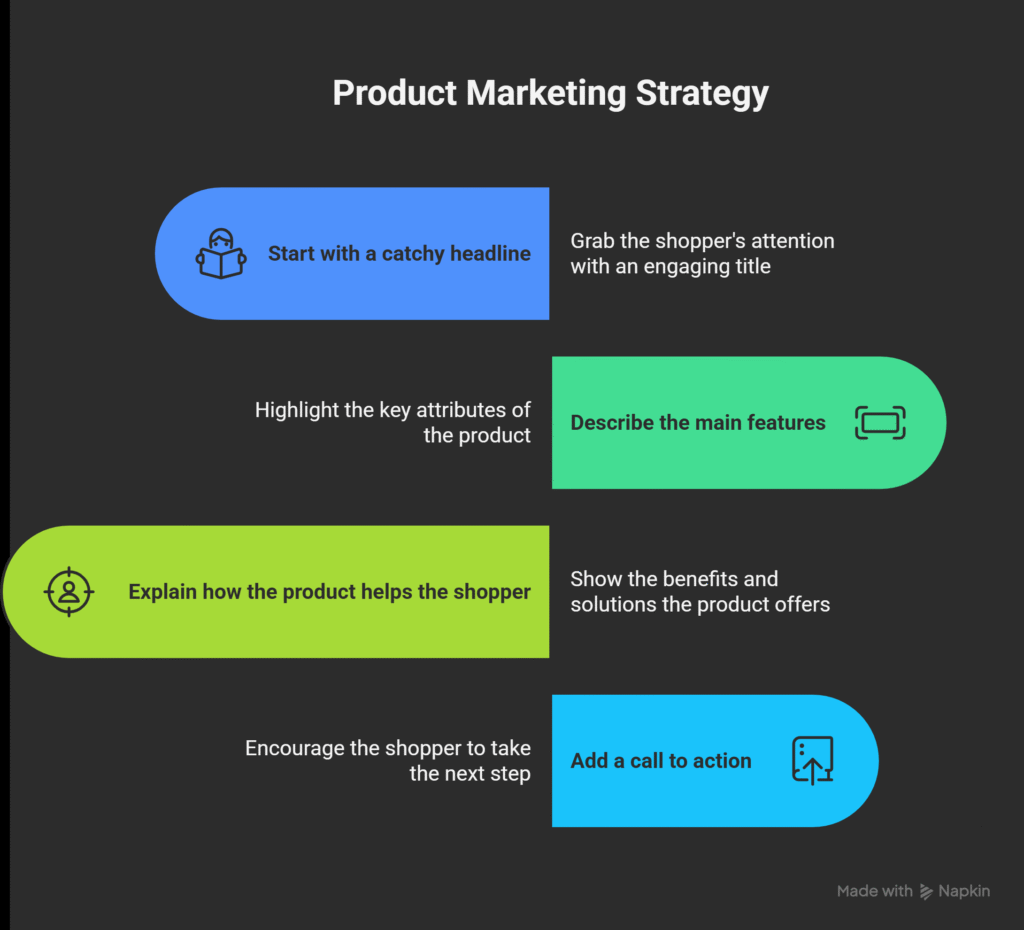
When you layer your instructions, you give the AI a roadmap. You can add context, set goals, and use examples. If you test your template with different products, you’ll see what works best. Keep your instructions clear and easy to follow. This makes your copy strong and helps shoppers find what they need.
Note: If you want your messaging to stay consistent, always frame your instructions with clear objectives. Test your templates often and adjust them based on feedback.
Refine and Update
Your ai prompt templates should never stay the same for too long. You need to check them often and make changes when you see something that could work better. Run your templates with new products and see if the copy still sounds good. If you notice mistakes or things that don’t fit your brand, fix them right away.
Here’s a simple checklist to help you refine your templates:
| Step | What to Do |
|---|---|
| Test | Try your template with new items |
| Review | Check for errors or weak spots |
| Update | Change instructions if needed |
| Optimize | Make it easier to read and use |
You should keep your templates simple but flexible. Use clear names for placeholders and blocks. Make sure your instructions match your audience and product type. If you stay updated with new AI features, your templates will keep working well.
Callout: The best templates are easy to read, easy to use, and easy to update. If you keep testing and improving, your e-commerce copy will always stay fresh and on-brand.
By following these steps, you can build ai prompt templates that save you time and help you create great product descriptions. You’ll see better results and spend less time editing.
Best Practices for Consistency
Personalize for Brand Voice
You want your writing to sound like your brand. First, decide how your brand should sound. Make rules for tone, words, and how formal you want to be. These rules help the AI write in your style. You can make digital guides or AI helpers to keep your message the same everywhere. If you sell in the U.S., change your templates to show what American shoppers care about. Try making your content fit each website. For example, use bullet points for Amazon.
Here are some ways to make your AI prompt templates fit your brand:
| Strategy | Description |
|---|---|
| Define Your Brand Voice Clearly | Make rules for tone, words, and formality so your AI writes the same way every time. |
| Use AI Personas for Consistency | Create digital guides that show your brand’s voice for all websites. |
| Tailor for U.S. Market Preferences | Change templates to show benefits and value that American shoppers like. |
| Optimize for Specific Platforms | Make your content fit each website, like using bullet points for Amazon. |
| Test, Measure, and Adjust | Check how your content does and change it to get better results. |
| Use Advanced Customization Tools | Use tools that help you change your AI prompts to match your brand and market needs. |
Tip: Brands like Baby Gold and Jonas Paul Eyewear use happy tones and AI helpers to talk to shoppers. You can teach your AI to add special touches, just like Dr. Bronner’s does.
Avoid Common Mistakes
You want your prompts to work well every time. People sometimes make mistakes when making AI templates. If you keep things simple and clear, you avoid most problems. Don’t make your prompts too hard to understand. Always give enough details so the AI knows what you want. Make sure your instructions fit your shoppers and your goal. Use clear words and put your prompts in order.
Here is a table of common mistakes and how to fix them:
| Mistake | Description | How to Avoid |
|---|---|---|
| Over-Complication | Making the prompt too hard to follow | Keep prompts simple and clear |
| Under-Specification | Not giving enough details | Add more information and context |
| Misalignment with AI | Asking too much from the AI | Know what the AI can and can’t do |
| Ignoring Audience | Not thinking about your shoppers | Make prompts fit your audience |
| Ambiguity | Using words that are not clear | Use direct and easy language |
| Neglecting Structure | Not putting prompts in order | Organize prompts step by step |
Note: Don’t use the first draft as your final copy. Edit for tone and make it clear. Teach your AI to sound friendly, not like a robot. If you avoid unclear prompts like “Write a sales email for my product,” you get better results.
If you make a design system with clear rules, your brand will sound the same as you grow. AI can help you keep your brand style and make sure your writing stays on track.
E-Commerce Template Examples

Product Descriptions
You want shoppers to notice your product descriptions. These templates help you write faster. You get a clear plan for each description. Your team can work on bigger projects. You do not need to start from zero every time.
- Templates make writing quick and easy.
- You get clear descriptions shoppers can trust.
- Templates help you use keywords for search.
A good product description template has these features:
| Key Feature | Description |
|---|---|
| Customizable Templates | You can change them for your brand and style. |
| Benefit-Driven Language | Show why your product is great. |
| SEO-Friendly Structure | Use keywords so people find your products online. |
| Consistent Brand Voice | Keep your style the same everywhere. |
| Multichannel Compatibility | Make descriptions work for websites and apps. |
| Hybrid Approach | Mix AI speed with your own ideas for better results. |
AI can write descriptions that sound almost like people. You get good SEO and strong writing. If you add your ideas, they get even better.
Ad Copy
You want your ads to get noticed and clicked. AI templates help you write ads fast. Your message stays clear. You can test different ideas to see what works.
- Make headlines and descriptions with keywords.
- Show what makes your product special.
- Use calls to action like “Shop Now.”
- Test versions to find the best one.
- Write for your audience so ads feel personal.
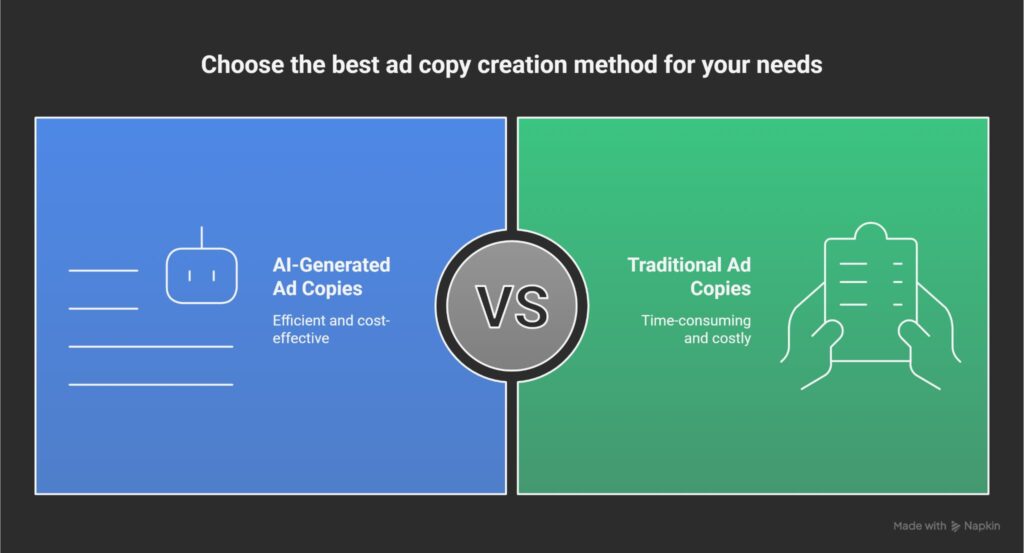
Here is how AI ad copy compares to regular ads:
| Aspect | AI-Generated Ad Copies | Traditional Ad Copies |
|---|---|---|
| Speed | Quick to make | Takes longer |
| Consistency | Same style each time | Style can change |
| Cost-effectiveness | Saves money | Costs more |
AI learns what shoppers like and makes ads better. Your ads match your brand and speak to your audience.
Email Campaigns
You want your emails to get opened and read. AI templates help you plan and write emails that connect with shoppers. You can set up welcome emails, special offers, and follow-ups easily.
| Best Practice | Description |
|---|---|
| Plan Your Email Campaign | Decide the order, subject, and goal for each email. |
| Draft Emails | Use AI to write emails for your audience and goals. |
| Create Welcome Emails | Send friendly messages to new subscribers. |
| Utilize Segmentation | Target groups with offers they care about. |
| Implement Automation | Set up automatic follow-ups for people who do not respond. |
AI emails get an average open rate of 31.08%. You reach more shoppers and keep them interested in your store.
Tip: Try ready-made templates for product descriptions, ads, and emails. You save time, keep your brand voice strong, and get better results.
You now know how to make and fix AI prompt templates for your e-commerce writing. If you use clear and specific prompts, you can make work faster and change your content for each shopper. When you keep making your templates better, your writing gets stronger and helps shoppers buy more. Here are some easy tips to help your writing stay good:
- Always give clear steps and background.
- Try out your templates and change them often.
- Use words that convince people and help with SEO.
- Make sure your brand voice stays the same.
If you want ready-made templates you can plug directly into ChatGPT or any AI writer, download the full library of 32 E-Commerce Prompt Templates here 👉 Read full guide & download PDF
Remember, good templates help you work faster and make your product descriptions stand out.
FAQ
What are ai prompt templates?
You use ai prompt templates to help AI write product descriptions, ads, or emails for your store. These templates give the AI clear steps and rules, so your writing stays on brand and sounds good every time.
How do I make my templates fit my brand?
You set the tone, style, and words that match your brand. You tell the AI what voice to use. You can test your templates and change them until they sound just right for your shoppers.
Can I use ai prompt templates for different products?
Yes! You can change your templates for each product type. You add details about the product, audience, and goals. This way, your copy always fits what you sell and who you want to reach.
Do I need to update my templates often?
You should check your templates regularly. If you see mistakes or want better results, you can fix them. Updating keeps your writing fresh and helps you connect with shoppers.
Will ai prompt templates save me time?
Absolutely! You spend less time writing and editing. Templates help you work faster and keep your copy consistent. You can focus on other tasks while AI handles the writing.

Muhammad Talha breaks down complex AI tools into simple, step-by-step guides for e-commerce entrepreneurs. His goal: to help you work smarter, not harder, by leveraging artificial intelligence